
ตามที่มีการรายงานกรณีน้ำมันปนเปื้อนในระบบท่อระบายน้ำบริเวณถนนเชื้อเพลิงและใต้สะพานยกระดับถนนพระราม 3 ในช่วงก่อนหน้านี้ บริษัท กรุงเทพขนส่งเชื้อเพลิงทางท่อและโลจิสติกส์ จำกัด หรือ BFPL บริษัทในกลุ่มบริษัทบางจาก ซึ่งได้รับสิทธิในการใช้และบริหารแนวท่อส่งน้ำมันของบริษัท บาฟส์ขนส่งทางท่อ จำกัด หรือ BPT ได้ส่งเจ้าหน้าที่เข้าพื้นที่ทันทีที่ได้รับการประสานเมื่อวันที่ 7 กันยายน และปฏิบัติงานในพื้นที่อย่างต่อเนื่องตลอด 24 ชั่วโมงนับแต่นั้น โดยร่วมตรวจสอบกับกรุงเทพมหานครและหน่วยงานต่าง ๆ และหยุดการส่งน้ำมันผ่านระบบท่อตั้งแต่ช่วงเช้าวันที่ 8 กันยายน เพื่อความปลอดภัยและเพื่อให้สามารถตรวจสอบแนวท่อได้อย่างละเอียด
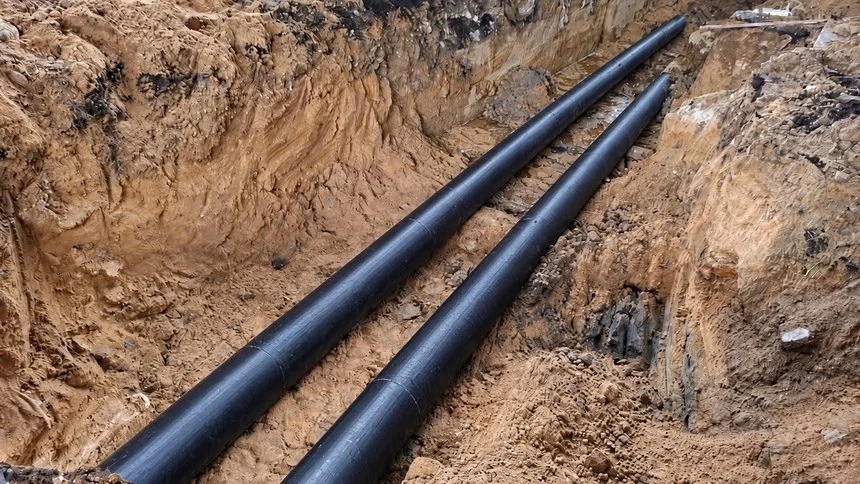
ในวันที่ 9 กันยายน BFPL ได้ตรวจสอบแนวท่อด้วยวิธี DCVG (Direct Current Voltage Gradient) ซึ่งเป็นการตรวจหาความผิดปกติของชั้นเคลือบภายนอกท่อ และกำหนดจุดที่ต้องเปิดหน้าดินตรวจสอบเพิ่มเติม 3 จุด ต่อมาในวันที่ 10 กันยายน จึงได้เปิดหน้าดินตรวจสอบทั้ง 3 จุด พบบริเวณที่มีน้ำผสมน้ำมัน 1 จุด แต่ยังไม่สามารถระบุแหล่งที่มาได้ จึงทำการทดสอบด้วยแรงดันเมื่อวันที่ 11 กันยายน เพื่อตรวจสอบความสมบูรณ์ของระบบท่อและหารอยรั่วที่อาจไม่สามารถสังเกตเห็นได้จากการเปิดหน้าดิน การตรวจสอบและการทดสอบทั้งหมดเป็นไปตามมาตรฐานความปลอดภัยและวิศวกรรมในระดับสูง ภายใต้การสังเกตการณ์จากหน่วยงานกำกับดูแลต่าง ๆ อาทิ กระทรวงพลังงาน กรมธุรกิจพลังงาน กรุงเทพมหานคร สำนักงานเขตคลองเตย กรมควบคุมมลพิษและหน่วยงานอื่น ๆ ที่เกี่ยวข้อง
สำหรับการทดสอบด้วยแรงดันดังกล่าว ดำเนินการภายใต้พื้นที่ควบคุม โดยเพิ่มแรงดันในท่อเป็นลำดับจาก 10 barg (หน่วยวัดแรงดันภายในท่อเทียบกับความดันบรรยากาศ) จนถึง 28 barg ซึ่งเป็นระดับแรงดันปกติภายในท่อขณะดำเนินงาน และรักษาแรงดันทดสอบต่อเนื่องเป็นเวลา 1 ชั่วโมง พร้อมติดตามค่าความดันทั้งในพื้นที่และจากห้องควบคุม รวมถึงตรวจสอบแนวท่อและบริเวณโดยรอบตลอดการทดสอบ หากท่อมีรอยรั่ว จะพบการลดลงของแรงดันที่ผิดปกติหรือพบของเหลวซึมออกจากแนวท่อ

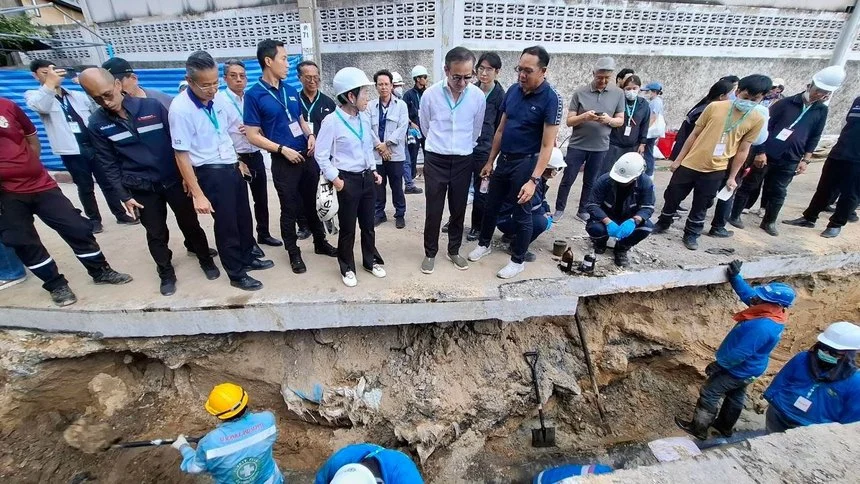
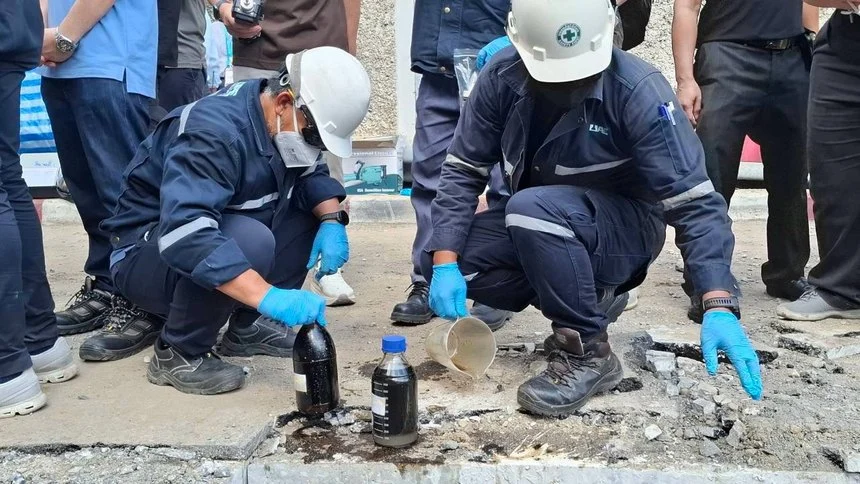
ผลการทดสอบยืนยันว่าท่อส่งน้ำมันไม่มีรอยรั่ว โดยไม่พบการลดลงของแรงดันที่ผิดปกติ ไม่พบของเหลวซึมหรือร่องรอยการรั่ว และผลการตรวจวัดทั้งในพื้นที่และจากห้องควบคุมอยู่ในเกณฑ์ปกติ
ทั้งนี้ BFPL จะตรวจสอบเพิ่มเติมด้วย Short-Range Ultrasonic Testing (UT) Scan และ Long-Range Ultrasonic Testing (UT) Scan ซึ่งเป็นการใช้คลื่นเสียงความถี่สูงตรวจหาความผิดปกติของผนังท่อ ครอบคลุมแนวท่อระยะ 1 กิโลเมตรจากจุดเกิดเหตุ รวมทั้ง Radar Scan และในสัปดาห์หน้าจะตรวจสอบด้วย Intelligent Pig ซึ่งเป็นการตรวจสอบสภาพภายในท่ออย่างละเอียดด้วยเทคโนโลยีขั้นสูงตามมาตรฐานสากล เพื่อยืนยันความปลอดภัยต่อทุกฝ่าย ก่อนเสนอผลการตรวจสอบให้กรมธุรกิจพลังงานพิจารณาอนุญาตให้กลับมาใช้งานระบบท่อส่งน้ำมัน ขณะเดียวกัน BFPL จะยังคงติดตามและตรวจสอบระบบอย่างใกล้ชิด และสนับสนุนภารกิจของหน่วยงานภาครัฐอย่างต่อเนื่อง
ตลอดกระบวนการตรวจสอบ กลุ่มบริษัทบางจากได้ดูแลประชาชน ชุมชน ผู้ประกอบการ และทุกฝ่ายที่ได้รับผลกระทบ โดยจัดทีมประจำพื้นที่เพื่อให้การสนับสนุนและอำนวยความสะดวกอย่างต่อเนื่อง รวมถึงจัดหาอาหาร น้ำดื่ม และที่พักชั่วคราวในกรณีจำเป็น และหากผลการตรวจสอบพบว่ามีความเสียหายหรือผลกระทบจากการดำเนินงานของ BFPL บริษัทฯ พร้อมรับผิดชอบและดำเนินการเยียวยาผู้ได้รับผลกระทบอย่างเต็มที่ เหมาะสม และเป็นธรรม นอกจากนี้ กลุ่มบริษัทบางจากยังได้เตรียมแผนสำรองด้านการขนส่งเพื่อรักษาความต่อเนื่องในการจัดส่งผลิตภัณฑ์น้ำมันให้กับลูกค้าและผู้บริโภค

กลุ่มบริษัทบางจากขอขอบคุณกระทรวงพลังงาน กรุงเทพมหานคร การรถไฟแห่งประเทศไทย หน่วยงานภาครัฐ ภาคเอกชน ที่ได้ส่งทีมผู้เชี่ยวชาญเข้าร่วมสนับสนุนการตรวจสอบและดูแลสถานการณ์อย่างต่อเนื่อง และขออภัยต่อความไม่สะดวกใด ๆ ที่เกิดขึ้นจากการตรวจสอบในพื้นที่ครั้งนี้ พร้อมทั้งยินดีสนับสนุนหน่วยงานภาครัฐเพื่อหาแหล่งที่มาของน้ำมันปนเปื้อนต่อไป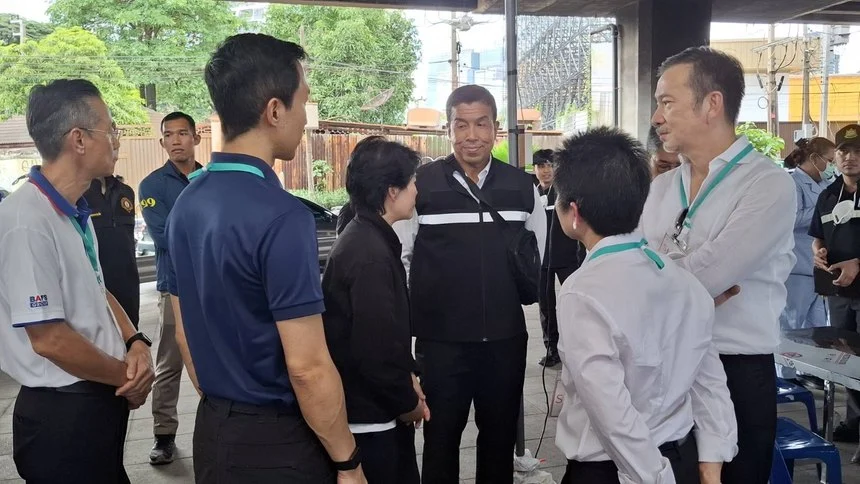
……

Bangchak Group Reports No Leakage Found in Inspection of Fuel Pipeline on Chuea Phloeng Road
Following earlier reports of oil contamination in the drainage system along Chuea Phloeng Road and beneath the Rama III elevated road, Bangkok Fuel Pipeline and Logistics Co., Ltd. (BFPL), a Bangchak Group company with the right to use and operate the fuel pipeline owned by BAFS Pipeline Transportation Co., Ltd. (BPT), immediately deployed personnel to the site upon being contacted on 7 September. The team has maintained a continuous 24-hour presence since then, working with the Bangkok Metropolitan Administration and other agencies. BFPL also suspended pipeline operations on the morning of 8 September to ensure safety and allow a thorough inspection of the pipeline.
On 9 September, BFPL inspected the pipeline using Direct Current Voltage Gradient (DCVG), a technique for detecting anomalies in the external coating of underground pipelines. The inspection identified three locations requiring further excavation. All three locations were excavated and inspected on 10 September. Water mixed with oil was found at one location, but its source could not be determined. A pressure test was therefore conducted on 11 September to verify the pipeline’s integrity and identify any leakage that might not have been visible during excavation. All inspections and tests were conducted in accordance with stringent safety and engineering standards and observed by representatives of the Ministry of Energy, the Department of Energy Business, the Bangkok Metropolitan Administration, the Khlong Toei District Office, the Pollution Control Department and other relevant agencies.
The pressure test was conducted within a controlled area. Pressure inside the pipeline was increased in stages from 10 barg (a unit measuring internal pipeline pressure relative to atmospheric pressure) to 28 barg, the pipeline’s normal operating pressure. The test pressure was maintained continuously for one hour, with readings monitored both on site and in the control room. The pipeline and surrounding area were also inspected throughout the test. If the pipeline had been leaking, an abnormal pressure drop or liquid seepage would have been detected.
The test results confirmed that there were no leakages in the fuel pipeline. There was no abnormal pressure drop, liquid seepage, or other evidence of leakage, and all readings, both at the site and in the control room, were within normal parameters.
BFPL will conduct further inspections using Short-Range and Long-Range Ultrasonic Testing (UT) Scans, which use high-frequency sound waves to detect abnormalities in the pipe wall, covering a one-kilometer section of the pipeline from the incident site. A Radar Scan will also be conducted, followed by an Intelligent Pig inspection next week to assess the internal condition of the pipeline in detail using advanced technology in accordance with international standards. The findings will be submitted to the Department of Energy Business for consideration before pipeline operations are permitted to resume. Meanwhile, BFPL will continue to monitor and inspect the system closely and support the work of government agencies.
Throughout the inspection process, Bangchak Group has provided support and assistance to residents, communities, businesses and all affected parties. A team has remained on site to provide continuous assistance and facilitate necessary arrangements, including food, drinking water and temporary accommodation where required. If the investigation confirms any damage or impact resulting from BFPL’s operations, the company is prepared to take full responsibility and provide appropriate and fair compensation to those affected. Bangchak Group has also implemented alternative transportation arrangements to maintain the continuity of product deliveries to customers and consumers.
Bangchak Group thanks the Ministry of Energy, the Bangkok Metropolitan Administration, the State Railway of Thailand, and participating public- and private-sector organizations for providing expert teams to support the inspection and the ongoing management of the situation. The Group apologizes for any inconvenience caused by the inspection activities in the area and remains committed to supporting government agencies in determining the source of the oil contamination.