
ชนเผ่าพื้นเมืองปาปัวรักษาผืนป่าควบคู่อนุรักษ์ภูมิปัญญาท้องถิ่น ผ่านการสร้างเศรษฐกิจชุมชนด้วยผลิตภัณฑ์จากต้นสาคู
เมื่อความมั่งคั่งไม่จำเป็นต้องทำลายทรัพยากรธรรมชาติ แต่เกิดจากการเคารพและดูแลรักษา” ในยุคที่ตลาดผลิตภัณฑ์ปลอดกลูเตนทั่วโลกคาดว่าจะแตะ 13.7 พันล้านดอลลาร์สหรัฐภายในปี 2577 และการบริโภคในเอเชียแปซิฟิกกำลังเติบโตในอัตราสูงถึง 11.1% ต่อปี ชนเผ่าพื้นเมืองปาปัวกำลังเดินหน้าการปฏิวัติโดยชุมชน ด้วยการรักษาผืนป่าควบคู่กับการอนุรักษ์ภูมิปัญญาท้องถิ่น ผ่านการสร้างเศรษฐกิจชุมชนด้วยผลิตภัณฑ์จากต้นสาคู ที่สร้างความมั่งคั่งให้ชุมชนควบคู่กับความยั่งยืนของทรัพยากรธรรมชาติ
“สาคู” ที่มาจากต้นสาคูแตกต่างจากเม็ดสาคูทั่วไปที่ทำจากมันสำปะหลังที่พบในขนมหวานและชาไข่มุกทั่วไปในประเทศไทย ด้วยเนื้อสัมผัส รสชาติและคุณประโยชน์ที่มากกว่า แต่สาคูแท้ในประเทศไทยกลับพบเห็นได้น้อยลงทุกที มีเพียงบางส่วนในพื้นที่จังหวัดภาคใต้ เช่น พัทลุงที่ยังมีป่าสาคูขนาดใหญ่ ที่ถูกแปรรูปมาเป็นผลิตภัณฑ์ชุมชน ซึ่งเป็นสัญลักษณ์ของภูมิทัศน์ดั้งเดิม ความหลากหลายทางชีวภาพ และมรดกทางวัฒนธรรม หากวางตำแหน่งได้ถูกต้อง สาคูปาล์มแท้จากภาคใต้ของไทยอาจเปิดตลาดเฉพาะกลุ่มพรีเมียมที่มุ่งเน้นความยั่งยืน แตกต่างจากแป้งมันสำปะหลังที่ผลิตในระดับอุตสาหกรรม เช่นเดียวกันอินโดนีเซียที่กำลังนำเสนอโมเดลผลิตภัณฑ์ชุมชนในตลาดพรีเมี่ยม

ผืนป่าคือแม่ของชุมชน
สำหรับชนเผ่าเตฮิต นาสัยมอส (Tehit Knasaimos) กลุ่มชนพื้นที่เมืองที่อยู่ทางตะวันตกเฉียงใต้ของปาปัว สาคูไม่ได้เป็นพียงแค่พืชผลธรรมดา แต่คืออัตลักษณ์ ปรัชญา และคำสัญญาที่ส่งต่อระหว่างรุ่นสู่รุ่น ภูมิปัญญาจากบรรพบุรุษถูกถ่ายทอดผ่านคำสอนที่สืบทอดกันมา คือ “Tabraw’o mamfe teme – ป่าคือแม่ของเรา” ภายใต้ปรัชญานี้ หลากหลายครอบครัวในชุมชนได้ดูแลสาคูหลายสายพันธุ์มาหลายศตวรรษ ทั้ง Fa Sampe ชนิดมีหนาม และ Falya dla ชนิดไม่มีหนาม ซึ่งเป็นพืชท้องถิ่นที่มีความโดดเด่น และถูกแปรรูปเป็นผลิตภัณฑ์ที่ขึ้นชื่อในเรื่องเนื้อสัมผัสที่แน่น นุ่ม และหอม
ภูมิปัญญาท้องถิ่นเหล่านี้เกือบจะสูญหายไปในช่วงปี 2543 เมื่อการตัดไม้ทำลายป่าอย่างผิดกฎหมายทำให้พื้นที่ตะวันตกเฉียงใต้ของปาปัวกลายเป็นดินแดนรกร้าง แต่ชุมชนไม่ได้ละทิ้งป่า ตั้งแต่ปี 2539 พวกเขาได้ปฏิวัติอย่างเงียบๆ ปฏิเสธการขยายพื้นที่ของปาล์มน้ำมัน เพื่อรักษาควมสมบูรณ์ของผืนป่าไว้ และในช่วงปี 256 พวกเขาเลือกพลิกฟื้นผืนดินที่ทรุดโทรมกลับมา โดยชาวบ้านได้ร่วมกันฟื้นฟูป่าด้วยตัวเอง ปลูกสาคูทดแทนในพื้นที่ถูกตัดไม้ทำลายป่าเพื่อฟื้นฟูให้ดินกลับมาชุ่มชื้น
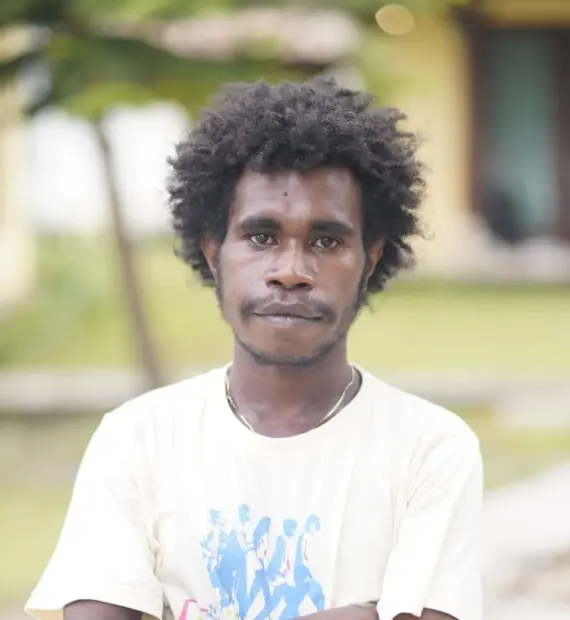
อีวิล เอ็ม. โวโลอิน (Ewil M. Woloin) ผู้นำของ SEKAM (Merdesa Village School) กล่าวว่า “เราพยายามให้ความรู้แก่ชุมชนว่าต้องปลูกสาคูทดแทนทุกครั้งที่ตัด และใช้พื้นที่ป่ารกร้างสำหรับการฟื้นฟู การต่อสู้ของเรายาวนานมาก” โดย SEKAM คือ Merdesa Village School หรือโรงเรียนหมู่บ้าน ที่ก่อตั้งโดยสมาคม Bentara Papua โรงเรียนแห่งนี้ได้ดึงดูดเยาวชนในหมู่บ้านมามีส่วนร่วมในการจัดการทรัพยากรธรรมชาติโดยตรง และคนรุ่นใหม่เหล่านี้มีบทบาทหลักในการรณรงค์ ต่อต้านการรุกรานของกลุ่มทุนน้ำมันปาล์ม และลงมือทำ “โครงการปลูกป่าสาคูทดแทน”ตั้งแต่ช่วงปี 2018–2019 เพื่อฟื้นฟูระบบนิเวศ
จากป่าสู่ผลิตภัณฑ์: ภูมิปัญญาท้องถิ่นพบกับความต้องการของคนรุ่นใหม่
แล้วจุดเปลี่ยนมาถึงเมื่อชุมชนตระหนักถึงมูลค่าของสาคูในฐานะของวัตถุดิบที่สามารถพัฒนาเป็นผลิตภัณฑ์ที่ตอบโจทย์ความต้องการของสังคมรุ่นใหม่ ผ่านศูนย์ปฏิบัติงานภาคสนามชุมชนขององค์กรพัฒนาเอกชน (NGO) ที่ก่อตั้งโดย Bentara Papua ในโซรองใต้ ภูมิภาคตะวันเฉียงใต้ของปาวปัว เยาวชนและผู้หญิงจากชุมชนกนาไซมอส (Knasaimos) สมาพันธ์ชนพื้นเมืองดั้งเดิม เริ่มพัฒนาผลิตภัณฑ์สาคูคุณภาพสูงภายใต้แบรนด์ “Tepung Sagu Mangsir” เปลี่ยนอาหารหลักดั้งเดิมให้กลายเป็นผลิตภัณฑ์ที่ด้านอาหารที่ตอบโจทย์ผู้บริโภคยุคใหม่ โดย อลิงก์ ซาฟริล (Alink Syafril) ผู้ประสานงาน ศูนย์ปฏิบัติงานภาคสนามชุมชน Bentara Papua กล่าวว่า “เป้าหมายหลักของเราคือการพิสูจน์ว่าพวกเขาไม่จำเป็นต้องออกจากบ้านเกิดเพื่อไปทำงานในเมือง เพราะการแปรรูปทรัพยากรธรรมชาติในท้องถิ่นนั้น เพียงพอที่จะสร้างรายได้ให้ชุมชนและครอบครัวมีชีวิตความเป็นอยู่ที่ดีได้”
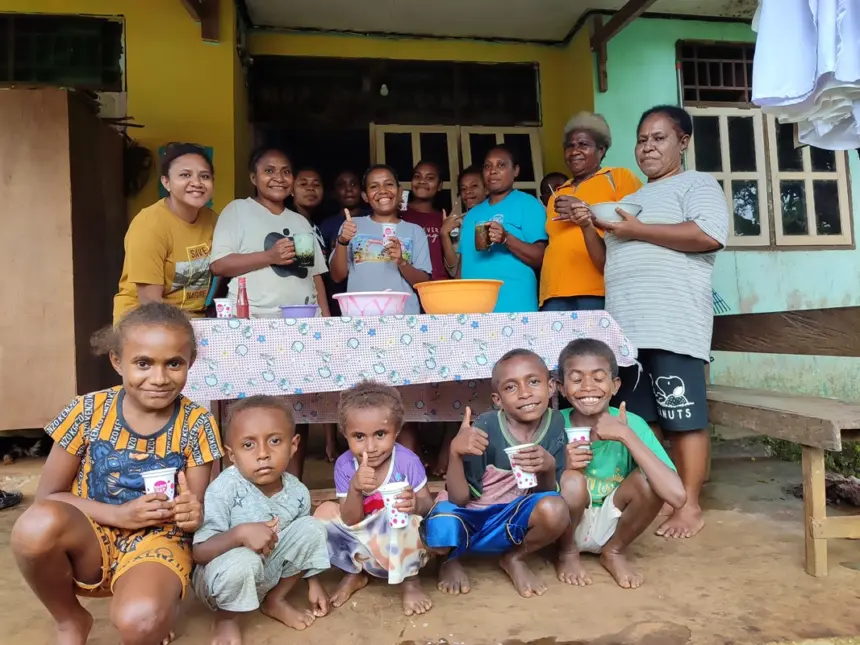
แต่เส้นทางการอนุรักษ์และความยั่งยืนนี้ก็ไม่ได้ราบรื่นนัก ในช่วงแรก สมาชิกชุมชนส่วนใหญ่มองสาคูว่าเป็นอาหารสำหรับบริโภคในชุมชน ไม่ใช่สินค้าที่สามารถทำเป็นผลิตภัณฑ์ที่ตลาดต้องการได้ ตลาดที่ยังไม่ชัดเจนทำให้พวกเขาลังเลที่จะผลิตในปริมาณมาก แต่ภายใต้การบ่มเพาะ การฝึกอบรม การสนับสนุน และการสื่อสาร ทำให้ชุมชนเกิดความมั่นใจมากขึ้นในการนำผลิตภัณฑ์ไปเสนอต่อหน่วยงานรัฐ ร้านของที่ระลึกในเมืองโซรอง และงานนิทรรศการระดับจังหวัด ผู้หญิงกลายเป็นกำลังสำคัญในทุกขั้นตอน ตั้งแต่การคัดเลือกเมล็ดพันธุ์ไปจนถึงความมั่นคงทางอาหาร ขณะที่การมีส่วนร่วมของเยาวชนเป็นหลักประกันที่สำคัญว่า องค์ความรู้นี้จะได้รับการถ่ายทอดจากรุ่นสู่รุ่นไม่สูญหายไปตามกาลเวลากับกับกระแสการย้ายถิ่น
อลิงก์ ซาฟริล กล่าวว่า”นอกจากการพัฒนาผลิตภัณฑ์ เราช่วยขอใบอนุญาตและให้คำปรึกษากลยุทธ์การตลาด เพื่อให้ผลิตภัณฑ์เข้าถึงตลาดได้มากขึ้น ไม่หยุดแค่การผลิตและผลิตภัณฑ์ต้องสามารถจำหน่ายได้ การตัดห่วงโซ่การจัดจำหน่ายและเสริมสร้างศักยภาพของสถาบันชุมชน คือการสร้างรากฐานเศรษฐกิจเชิงฟื้นฟู ที่ผลกำไรทุกบาทที่ได้รับจะกลับคืนไปสู่การอนุรักษ์ฟื้นฟูป่าและเสริมสร้างความเข้มแข็งให้กับชุมชน”
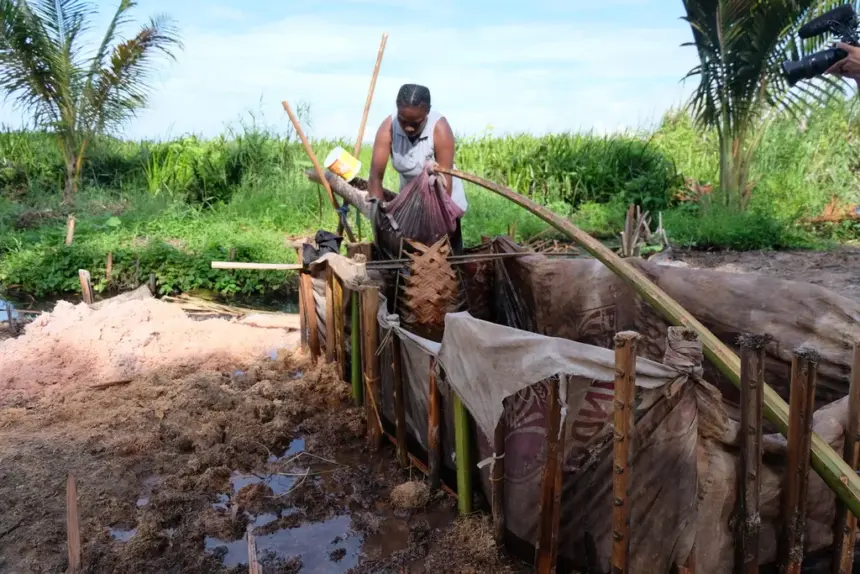
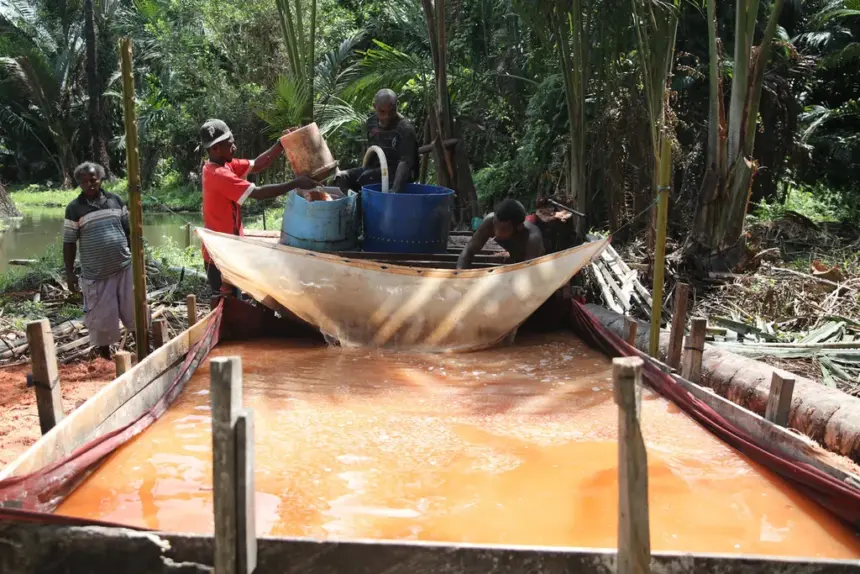
ความมั่งคั่งที่ไม่ต้องแลกด้วยการทำลายป่า
ผลลัพธ์นี้สะท้อนให้เห็นถึงความมั่งคั่งในรูปแบบที่ต่างออกไป สมาชิกกลุ่มมีรายได้เพิ่มขึ้นเฉลี่ย 1,000,000 รูเปียห์ เมื่อเทียบกับช่วงปี 2561–2562 ช่วยครอบคลุมค่าใช้จ่ายในครัวเรือนและการศึกษาตั้งแต่ระดับประถมศึกษาจนถึงมหาวิทยาลัย การมีส่วนร่วมของผู้หญิงและเยาวชนเพิ่มขึ้น 60% และสหกรณ์คนามันดิรี (Kna Mandiri) ทำหน้าที่เป็นศูนย์กลางของชุมชนในการขยายการผลิตและการตลาด
ขณะที่ชุมชนมีชีวิตความเป็นอยู่ที่ดีขึ้นป่าก็กำลังพลิกฟื้นคืนกลับคืนเช่นกัน การปลูกสาคูประมาณ 5 เฮกตาร์ในพื้นที่รกร้างมีส่วนสำคัญในการฟื้นคืนพรรณไม้ต่างๆ อย่างน้อย 11 สายพันธุ์ในป่าพรุ ควบคู่ไปกับอนุรักษ์สาคูสายพันธุ์ดีเด่น 4 ชนิด ได้แก่ Falya dla, Fa Sampe, Fablen และ Fanomik ไว้สำหรับคนรุ่นต่อไป นี่คือภาพรวมของเศรษฐกิจเชิงฟื้นฟูในรูปแบบที่จับต้องได้ ไม่ใช่เป็นแค่ทฤษฎีที่อยู่ในตำรา แต่มูลค่าทางเศรษฐกิจที่เกิดขึ้น และการฟื้นฟูของระบบนิเวศกำลังทำหน้าที่ในการส่งเสริมซึ่งกันและกัน แบรนด์ Tepung Sagu Mangsir ไม่ได้แค่ผลิตภัณฑ์จากแป้ง แต่เป็นเรื่องราวของผู้คนในชุมชนที่เลือกอยู่ร่วมกับป่าแทนที่จะละทิ้งไปสู่ชีวิตเมืองและอุตสาหกรรม
อีวิล กล่าว่า “ความหวังอันยิ่งใหญ่ของเราคือชุมชนยืนหยัดในการปกป้องผืนป่าได้ต่อไป การมีส่วนร่วมของเยาวชนในวันนี้คือหลักประกันว่าในอนาคตผืนป่าจะยังอยู่คู่กับชุมชน และจะไม่มีเยาวชนที่สูญเสียอัตลักษณ์ความเป็นลูกหลานชนพื้นเมืองปาปัวอีกต่อไป”
เกี่ยวกับ Bentara Papua
BENTARA Papua คือองค์กรสังคมท้องถิ่นที่มีฐานอยู่ในมาโนกวารี มุ่งมั่นในการจัดการทรัพยากรธรรมชาติในปาปัวอย่างเป็นธรรม ยั่งยืน และสอดคล้องกับวิถีดั้งเดิม สมาชิกขององค์กรเคลื่อนไหวด้านสิ่งแวดล้อมและสังคมมาตั้งแต่ปี 2548 และได้จดทะเบียนเป็นนิติบุคคลอย่างเป็นทางการในปี 2555 องค์กรมุ่งเน้นการเสริมพลังข้ามรุ่น โดยมีเยาวชน ผู้หญิง และรัฐบาลหมู่บ้านเป็นกลุ่มเป้าหมายหลัก
………………………..
Traditional Knowledge, Sustainable Futures: How Indigenous Papuan Communities Manage Sago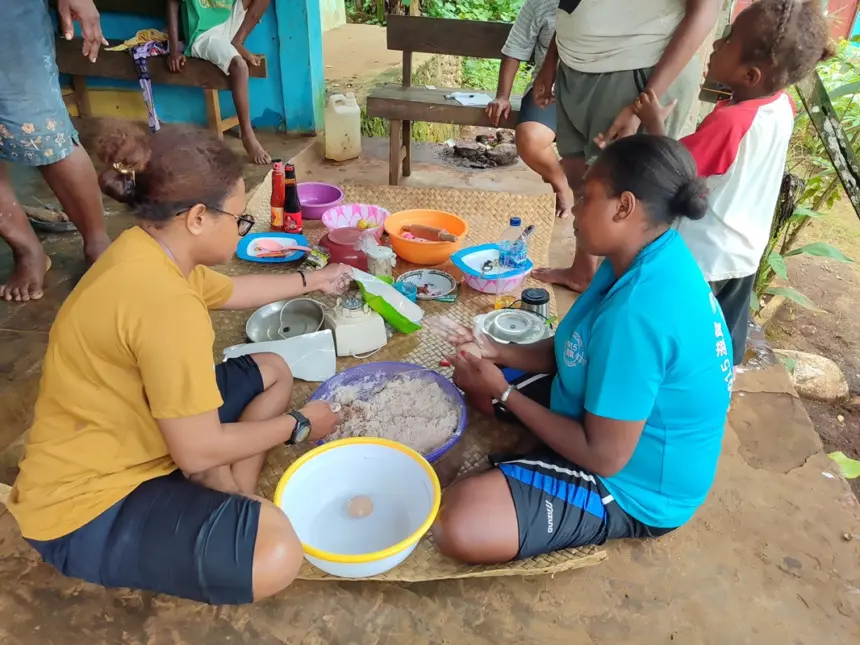
August 6th 2026: In an era where health has become a new luxury, the plant-based diet trend is no longer just a lifestyle choice; it has become a fundamental need within the whole foods movement. Awareness of digestive health and bodily balance is driving urban communities toward gluten-free diets. This phenomenon is visible in the viral spread of healthy food creations on social media, from gluten-free fudgy brownies and locally sourced sourdough to sago cookies that have become favorites in aesthetic cafes across the United States, Europe, and Asia.
As the global market for gluten-free products is projected to reach 13.7 billion USD by 2034, with a CAGR of approximately 5.9%, the Asia Pacific region is growing even faster at up to 11.1% from 2025 through 2030. As consumers move past just avoiding gluten and start caring about where an ingredient actually comes from, traditionally processed sago flour is being positioned as both a healthier and a more ethical choice.
Unlike the tapioca-based sago pearls found in most Thai desserts and bubble tea, true palm sago in Thailand is concentrated in the south, a symbol of traditional landscapes, biodiversity, and sociocultural heritage, particularly around Phatthalung province, home to the country’s largest sago palm forest.
If positioned correctly, genuine palm sago from southern Thailand could carve out a premium, sustainability-focused niche distinct from the mass-produced tapioca category. Such activities are also being undertaken in Indonesia; in the heart of Papua, an extraordinary initiative has emerged from indigenous communities transforming sago into a food solution for the future.
Community’s Needs and the Sago Harvest Process
For the people of South Sorong, sago is not just a staple food; it is an identity. They follow the ancestral philosophy of Tabraw’o mamfe teme, meaning ‘The forest is our Mother,’ held by the Tehit Knasaimos Tribe, a union of six sub-tribes. Families have managed their lands for generations, guarding diverse sago varieties such as the thorny Fa Sampe and the non-thorny Falya dla, both known for their soft, fragrant, and dense textures.
This sacred relationship was once threatened by massive illegal logging before the 2000s, which left the land barren. The community responded with independent reforestation beginning around 2018, replanting logged areas with sago to restore water absorption in the soil. Ewil M. Woloin, a 23-year-old representing the SEKAM youth of South Sorong, reflects on this struggle: “We tried to educate the community to replant the sago they cut and use barren forest land for reforestation. Our struggle has been long; since 1996, the community has consistently rejected palm oil to ensure this forest remains.”
Through the Merdesa Village School (SEKAM), a program created by the Bentara Papua Association, village youth are directly involved in natural resource management. Women have become essential players, from selecting seeds to ensuring household-level food sustainability, while youth engagement ensures that the tradition of forest stewardship is passed on rather than lost to urban migration.
Mentorship and Empowerment Through the Bentara Papua Station
To support these efforts, the Bentara Papua Association established the Sira Bentara Papua Station in South Sorong, a hub for innovation covering agriculture, food processing, and organizational governance. Youth and women from the Knasaimos community actively develop high-quality sago products under the brand Tepung Sagu Mangsir.
“Our main goal is to prove they do not need to leave their hometown to prosper; it is enough to process what is on their own customary land,” says Alink Syafril, Coordinator of the Sira Bentara Papua Station.
The primary challenge was building a new habit: the understanding that sago is not just for self-consumption but can become value-added products. An unclear market initially made the community hesitant to produce. Through mentorship, residents gained the confidence to advocate for their products to government agencies and enter wider markets. “In addition to product development, we assist in obtaining permits and mentoring marketing strategies so the products can penetrate wider markets and not stop halfway. By cutting the distribution chain and strengthening institutional capacity, we help build a restorative economic foundation where financial profits are cycled back to restore the forest and strengthen social cohesion,” says Alink.
Restorative Economy, Social, and Environmental Impact
The results are tangible. Group members have seen an average income increase of IDR 1,000,000 (approximately 1850 THB) through sago product sales compared to the 2018–2019 period, helping cover household needs and education costs from elementary school through university. Women and youth involvement has increased by 60%, and the Kna Mandiri Cooperative now serves as a production collector, with marketing expanding to souvenir shops in Sorong City and provincial exhibitions.
Environmentally, approximately 5 hectares of sago have been replanted in barren forest areas, reviving at least 11 varieties of companion trees in the peat forest and securing 4 superior local sago varieties for future generations.
Ewil closes with a message that carries the weight of his community’s long struggle: “Our great hope is that the community remains steadfast in guarding the forest. The involvement of youth today is a guarantee that in the future, there will be no more barren forests and no more youth who lose their identity as indigenous children of Papua.”
[END]
The Merdesa Village School, or SEKAM, is a strategic initiative by Bentara Papua designed as an inclusive learning space for youth at the grassroots level. The program focuses on capacity building in independent and sustainable natural resource management. SEKAM aims to produce young leaders capable of safeguarding food sovereignty and ecosystem sustainability in their respective villages.
BENTARA Papua is a local social organization based in Manokwari dedicated to the fair, sustainable, and traditional management of natural resources in Papua. Since 2005, its members have been active in environmental and social issues, officially becoming a legal entity in 2012. The organization focuses on cross-generational empowerment involving youth, women, and village governments.